

Why Make the Switch to Electric String Trimmers?
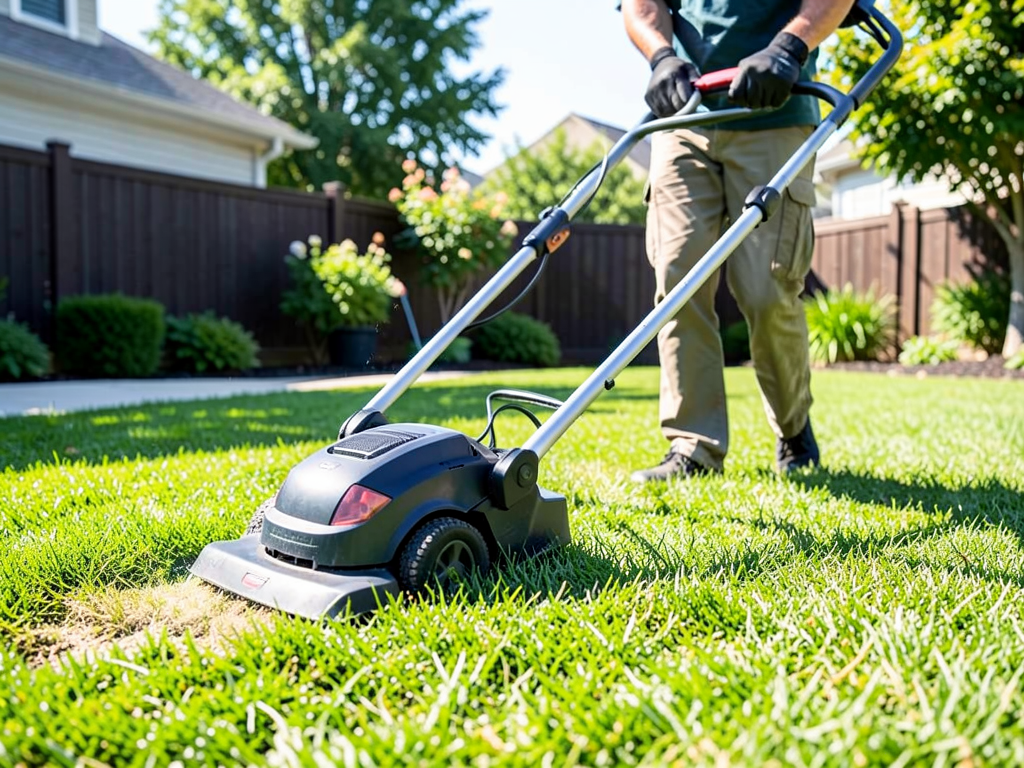
Gone are the days when homeowners had to choose between noisy gas-powered trimmers and underpowered corded models. Battery-powered string trimmers have emerged as the superior choice for modern landscaping, combining the convenience of cordless operation with impressive cutting power and environmental benefits.
Electric trimmers produce significantly less noise than their gas counterparts, making early morning or evening yard work neighborly. They require minimal maintenance, produce zero emissions, and offer instant start-up without the hassle of mixing fuel or dealing with clogged carburetors.
Key Advantages of Battery-Powered Trimmers
Cost Savings: Electric trimmers have lower operating costs since you’re not purchasing fuel. Battery charging is remarkably inexpensive compared to regular gas fill-ups.
Lightweight Design: Most cordless models weigh significantly less than gas trimmers, reducing fatigue during extended use and making them ideal for seniors or those with limited strength.
Eco-Friendly Operation: With zero emissions and no harmful fumes, battery-powered trimmers are environmentally responsible and safer to use around gardens and children.
Quiet Performance: Operating at around 60-70 decibels, electric trimmers won’t disturb your neighbors or family members.
Essential Features to Consider
When shopping for an electric string trimmer, several specifications matter:
- Battery Voltage: 20V to 60V systems are common. Higher voltage typically means longer runtime and better cutting power.
- Runtime: Look for models offering 30-60 minutes of continuous use on a single charge.
- Cutting Width: Wider cutting paths (13-16 inches) mean faster trimming with fewer passes.
- Head Design: Automatic line feed systems save time compared to manual bump-feed models.
- Adjustability: Telescoping shafts and adjustable heads provide ergonomic comfort for different users.
Battery Technology Matters
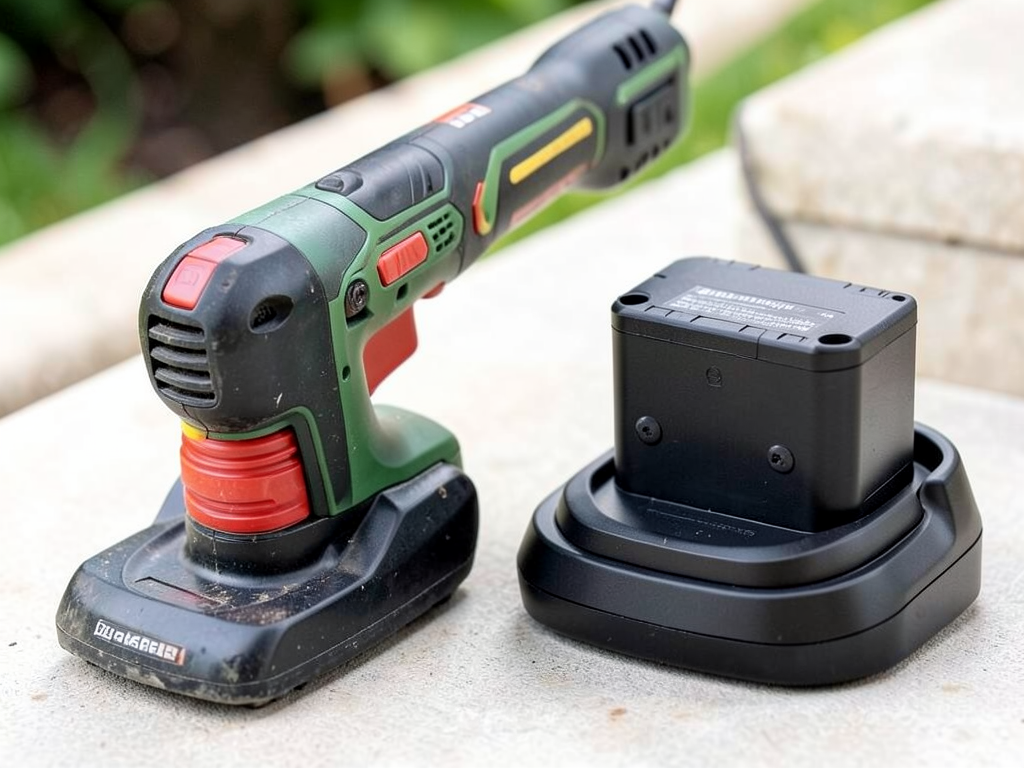
Modern lithium-ion batteries have revolutionized cordless power tools. These batteries maintain consistent power throughout their charge cycle, unlike older nickel-cadmium models. Most quality electric trimmers come with fast-charging capabilities, allowing you to recharge in 30-60 minutes.
Consider whether you want a model that uses batteries compatible with other tools in the same brand’s ecosystem. This approach can be more economical if you own multiple cordless yard tools.
Performance Expectations
Modern electric string trimmers deliver impressive cutting performance suitable for residential properties. They handle regular grass edges, light brush, and weeds with ease. While they may not match the raw power of commercial-grade gas models for heavy-duty professional use, they’re more than adequate for typical homeowner needs.
Battery runtime typically allows you to trim an average suburban yard on a single charge, with most users completing their entire lawn in one session.
Top Brands in the Market
Leading manufacturers like DeWalt, Makita, Ryobi, Black+Decker, and EGO have invested heavily in battery-powered trimmer technology. Each brand offers models at various price points, from budget-friendly options to premium professional-grade equipment. Reading user reviews and comparing warranty coverage can help you make an informed decision.
Maintenance and Care
Electric trimmers require minimal maintenance compared to gas models. Simply clean the cutting head after use, store the battery in a cool, dry place, and charge it before storage if you won’t be using the trimmer for extended periods. Check the cutting line occasionally and replace it when worn.
Making Your Final Decision
If you have a residential property and value convenience, quiet operation, and low maintenance, a battery-powered string trimmer is an excellent investment. The initial cost may be slightly higher than entry-level gas models, but the long-term savings and improved quality of life make it worthwhile. Start with a reputable brand offering good warranty coverage, and you’ll enjoy years of hassle-free yard maintenance.