

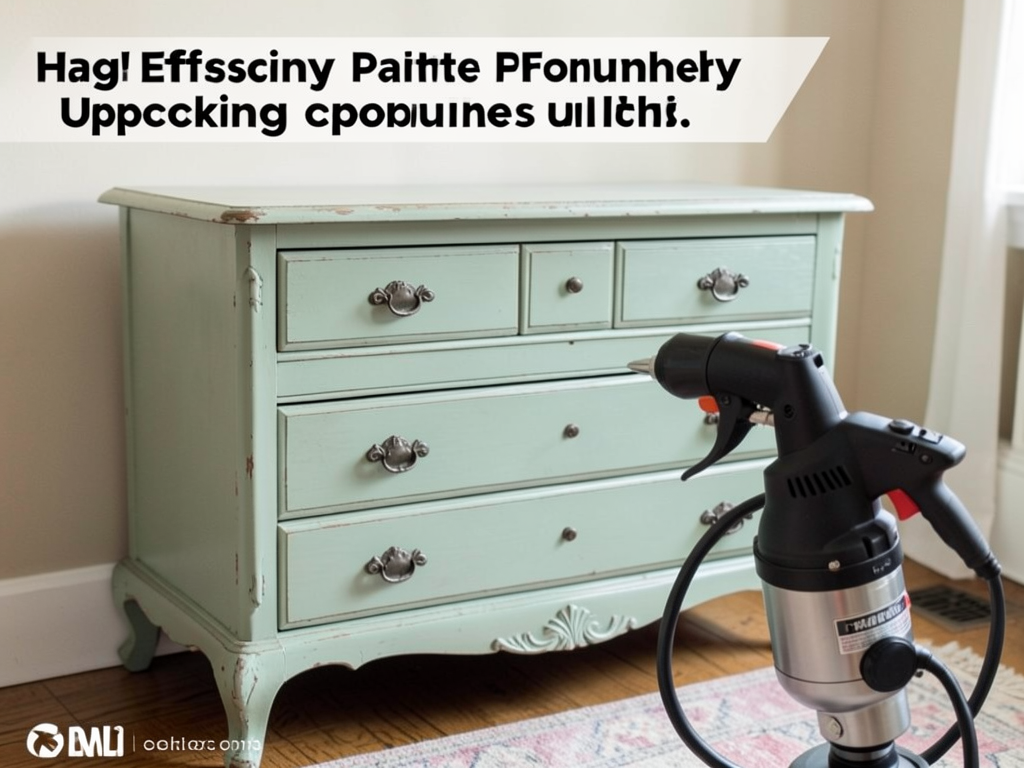
Why High-Efficiency Paint Sprayers Are a Game-Changer for Furniture Upcycling
If you’ve ever spent hours with a paintbrush trying to achieve a smooth, even finish on furniture, you know the frustration. Traditional painting methods are time-consuming and often leave brush marks and uneven coverage. High-efficiency paint sprayers eliminate these problems, allowing you to complete projects faster while achieving a professional appearance that rivals factory finishes.
Whether you’re restoring a vintage dresser, giving new life to wooden chairs, or refreshing kitchen cabinets, a quality paint sprayer can dramatically improve your results and make the entire process more enjoyable.
Understanding High-Efficiency Paint Sprayer Technology
High-efficiency paint sprayers use advanced atomization technology to break paint into fine mist particles, creating a smooth, uniform coating. Unlike traditional spray guns that waste significant amounts of paint through overspray, high-efficiency models capture and recycle excess paint, reducing waste by up to 65% and saving you money on materials.
These sprayers come in three main types: HVLP (High Volume Low Pressure), airless, and air-assisted airless. For furniture upcycling, HVLP sprayers are typically the best choice due to their precision and minimal overspray in indoor settings.
Choosing the Right Sprayer for Your Furniture Projects
When selecting a paint sprayer for furniture work, consider these key factors:
- Power Source: Electric models are quieter and more affordable, while pneumatic options offer greater control for detailed work
- Spray Pattern: Adjustable patterns allow you to customize coverage for different furniture shapes and sizes
- Material Compatibility: Ensure your sprayer handles latex, acrylic, and specialty finishes you plan to use
- Portability: Lightweight designs reduce fatigue during extended projects
Preparing Your Furniture for Spray Painting
Proper preparation is essential for achieving stunning results. Start by thoroughly cleaning your furniture piece to remove dust, dirt, and old finishes. Sand the surface with 120-150 grit sandpaper to create a smooth base and improve paint adhesion. Fill any gaps or imperfections with wood filler, then sand again once dry.
Apply painter’s tape to areas you want to protect, and use drop cloths to contain overspray. Prime your furniture with a quality primer—this step is crucial for ensuring even color coverage and long-lasting results.
Mastering the Spray Painting Technique
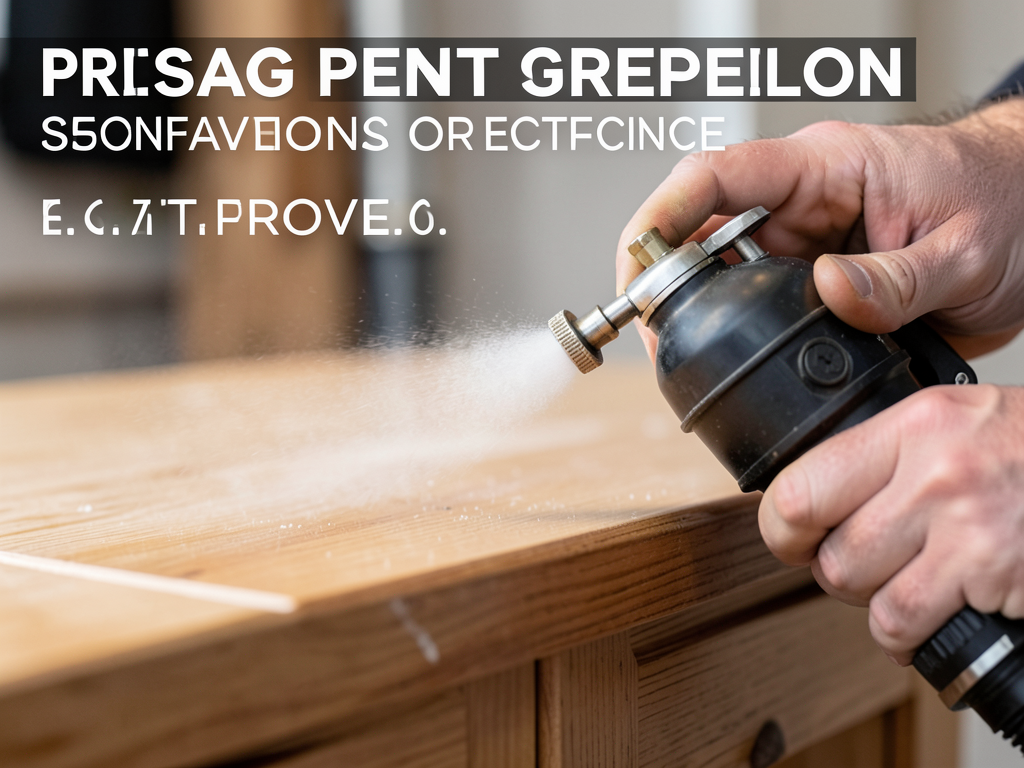
Success with a paint sprayer depends on proper technique. Hold the sprayer 8-10 inches from the surface and maintain a consistent distance throughout. Use smooth, overlapping strokes, keeping the spray gun perpendicular to the furniture. Start spraying before reaching the edge and continue past it to avoid drips and uneven coverage.
Apply thin, even coats rather than one thick coat. Two to three light coats typically provide better coverage and a more professional finish than a single heavy application. Allow adequate drying time between coats as specified by your paint manufacturer.
Pro Tips for Furniture Upcycling Success
Always test your sprayer on cardboard or scrap wood first to adjust the spray pattern and pressure. Invest in quality paint suitable for furniture—premium finishes often provide better durability and appearance. Keep the sprayer moving at a steady pace; hesitation creates thick spots and potential drips.
For intricate furniture details, consider using a smaller spray tip for precision work. Clean your sprayer immediately after use to prevent paint buildup and maintain optimal performance for future projects.
Finishing Touches and Maintenance
Once your paint has fully cured, apply a protective topcoat such as polyurethane or polycrylic for added durability, especially on high-traffic pieces. Sand lightly between coats with fine-grit sandpaper for a smooth final finish. Proper maintenance of your paint sprayer—including regular cleaning and proper storage—ensures years of reliable performance and consistent results.
Conclusion
High-efficiency paint sprayers are an investment that pays dividends for anyone serious about furniture upcycling. By combining the right equipment with proper technique and preparation, you’ll transform thrifted and worn furniture into stunning showpieces that rival professional refinishing work. Start with a quality sprayer, practice your technique, and watch your upcycling projects reach a whole new level of excellence.